DESIGN GUIDE / ROOFLANDSCAPE
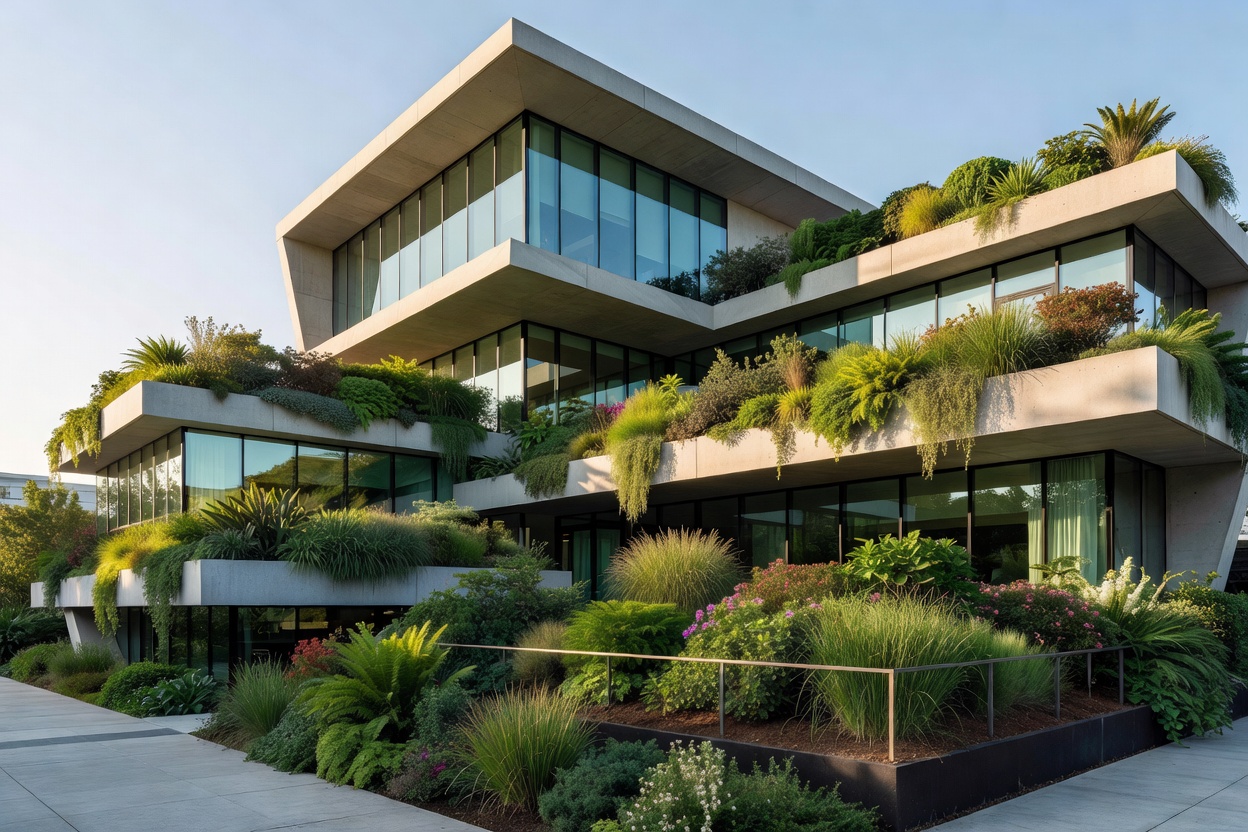
A planted roof may help manage rainfall, create habitat, moderate roof exposure, or offer a guest amenity. What it can do depends on the structure, climate, plant community, assembly, and care plan. A green roof is not simply soil and plants added after the building is designed.
Different roof types, different demands
An extensive green roof generally uses a relatively shallow growing medium and a planting approach suited to limited access and lower-intensity care. An intensive roof garden can support deeper planting and more varied use, but brings greater structural load, irrigation, access, safety, and maintenance needs. These terms describe broad approaches; a project specification must define the actual build-up and intended use.
A conventional roof with decorative planters is not the same as a planted roof system. Planters can be useful for a terrace, but they do not provide a continuous roof assembly and need their own drainage, irrigation, wind stability, and maintenance planning. The roof must be assessed as a whole, including access routes and the impact of furniture or crowds.
Coordinate the layers
Before selecting plants, a structural engineer needs to assess load capacity, including saturated growing media, retained water, snow where relevant, people, and maintenance equipment. Existing buildings may not have spare capacity. Strengthening can change cost and project feasibility, so this question belongs early in design.
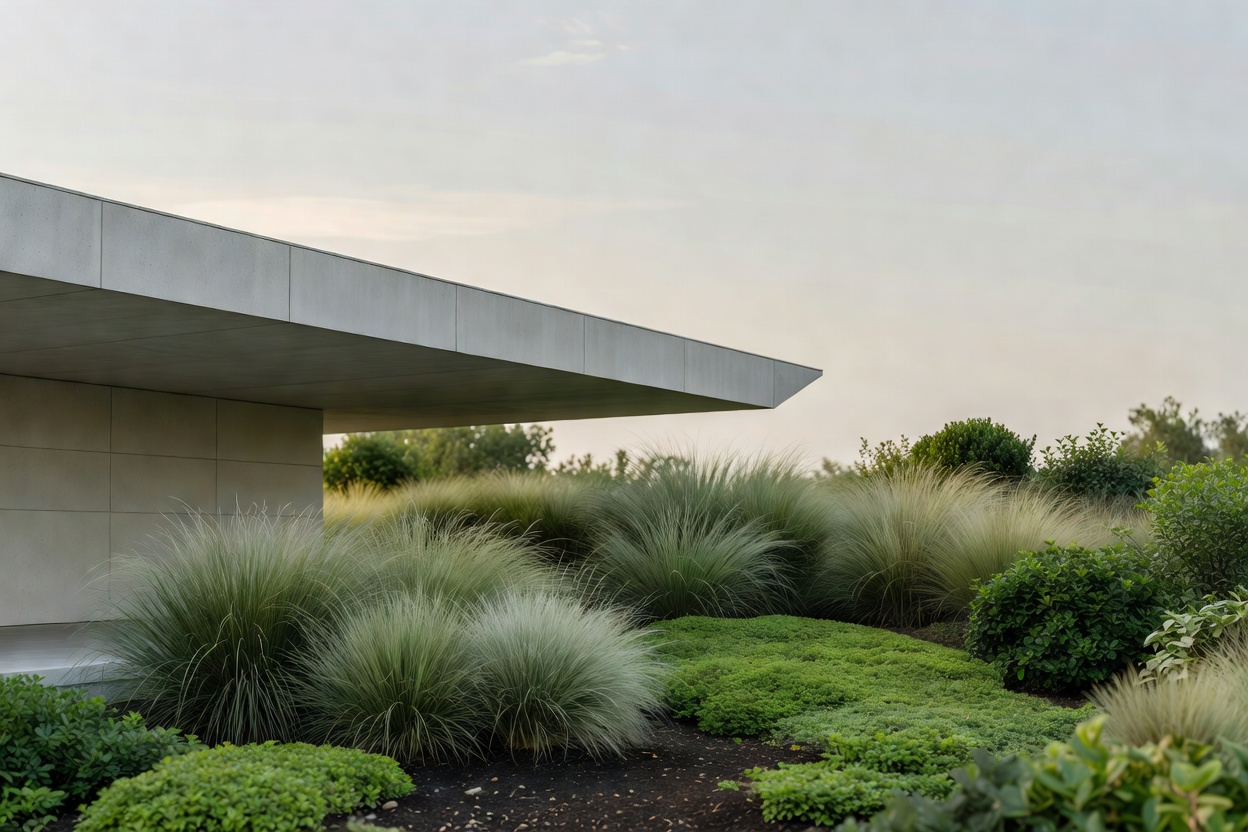
Waterproofing must be compatible with the roof build-up, carefully installed, and protected. Root-resistant layers, drainage, filter layers, growing media, edge details, overflow routes, and inspection points work together. A leak beneath a planted roof can be difficult to locate and access; robust detailing, quality assurance, and planned maintenance are therefore central, not optional extras.
Growing media is selected for weight, drainage, water retention, nutrients, and plant requirements. It should not be treated as ordinary garden soil. Plant choice responds to local climate, exposure, wind, shade, rainfall, and the roof’s depth and irrigation capacity. Native or locally appropriate species may support ecological fit, but habitat value depends on the wider context and the actual plant community.
Water, habitat, and seasonal change
Vegetated roofs can retain some rainfall and delay runoff, but storage varies with weather, substrate, roof design, and saturation. They cannot replace a safe drainage and overflow strategy. Irrigation may be needed during establishment or dry periods, especially in exposed locations. If using harvested rainwater, account for storage, water quality, distribution, controls, and backup arrangements.
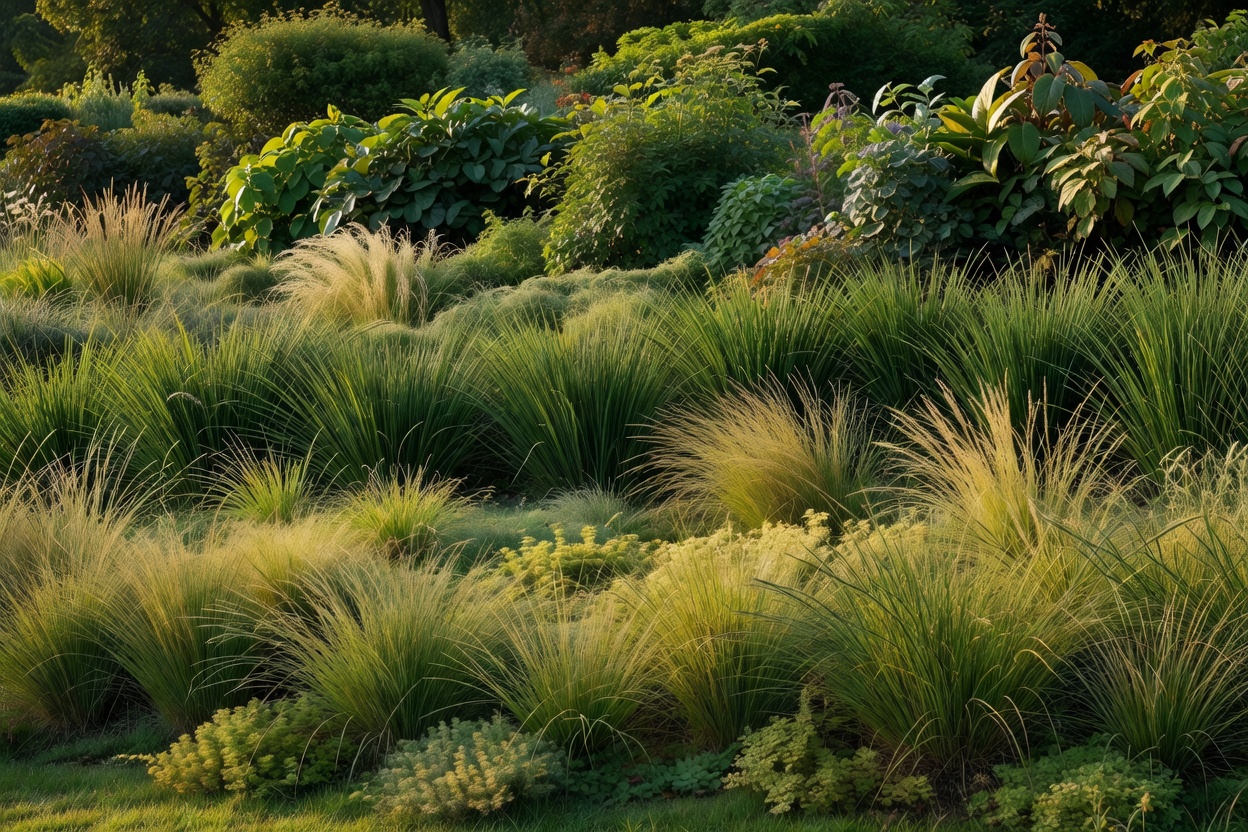
Biodiversity is more than a green surface. A roof can offer varied flowering periods, shelter, and connections to nearby green spaces when designed for the local ecology. Conversely, an inaccessible or intensively maintained roof may provide less habitat than assumed. Ecological advice can help avoid unsuitable planting and understand relationships with surrounding landscapes, including risks such as invasive species.
What to Consider
Confirm structural capacity, waterproofing warranties, root protection, drainage and overflow, safe access, wind exposure, irrigation, and maintenance responsibility. Decide whether the roof is ecological infrastructure, a guest amenity, or both. Define who inspects drains, removes unwanted growth, replaces plants, and keeps safety systems in service.
Common Trade-Offs
Deeper planting expands design possibilities but increases load and care. Irrigation can help planting establish but uses water and needs controls. Public access creates an amenity but increases safety, wear, and operational needs. A light extensive assembly may be easier to accommodate, yet offers fewer options for intensive use. Benefits should be described as intended or measured accurately, not assumed.
Takeaway
Green roofs are most credible when structure, envelope, ecology, water, access, and long-term care are designed as one system. Not every building can support one, and no planting plan can compensate for weak roof detailing.