DESIGN GUIDE / MATERIALS
A hotel material is encountered repeatedly: underfoot, at a handrail, in a shower, or across a façade. Its design role is inseparable from how it is sourced, processed, installed, cleaned, repaired, and eventually replaced. A credible material strategy looks beyond appearance and considers the whole service life.
Choose materials for the job
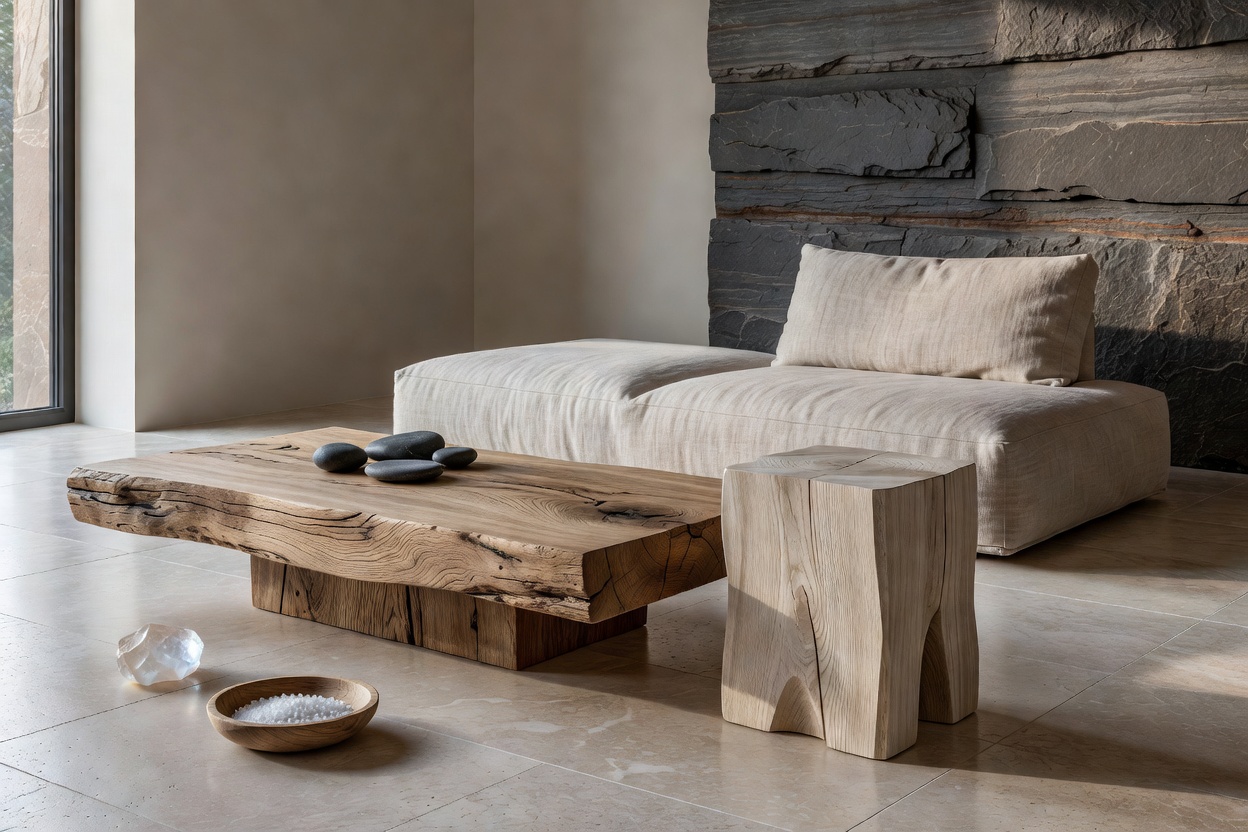
Timber can provide warmth and, when detailed appropriately, may be repairable or renewable as a resource. Engineered wood products can make efficient use of smaller pieces, but their adhesives, moisture exposure, fire design, structural role, and sourcing need review. Specify the correct grade and assembly for the application; a beautiful finish that cannot withstand hotel use may lead to premature replacement.
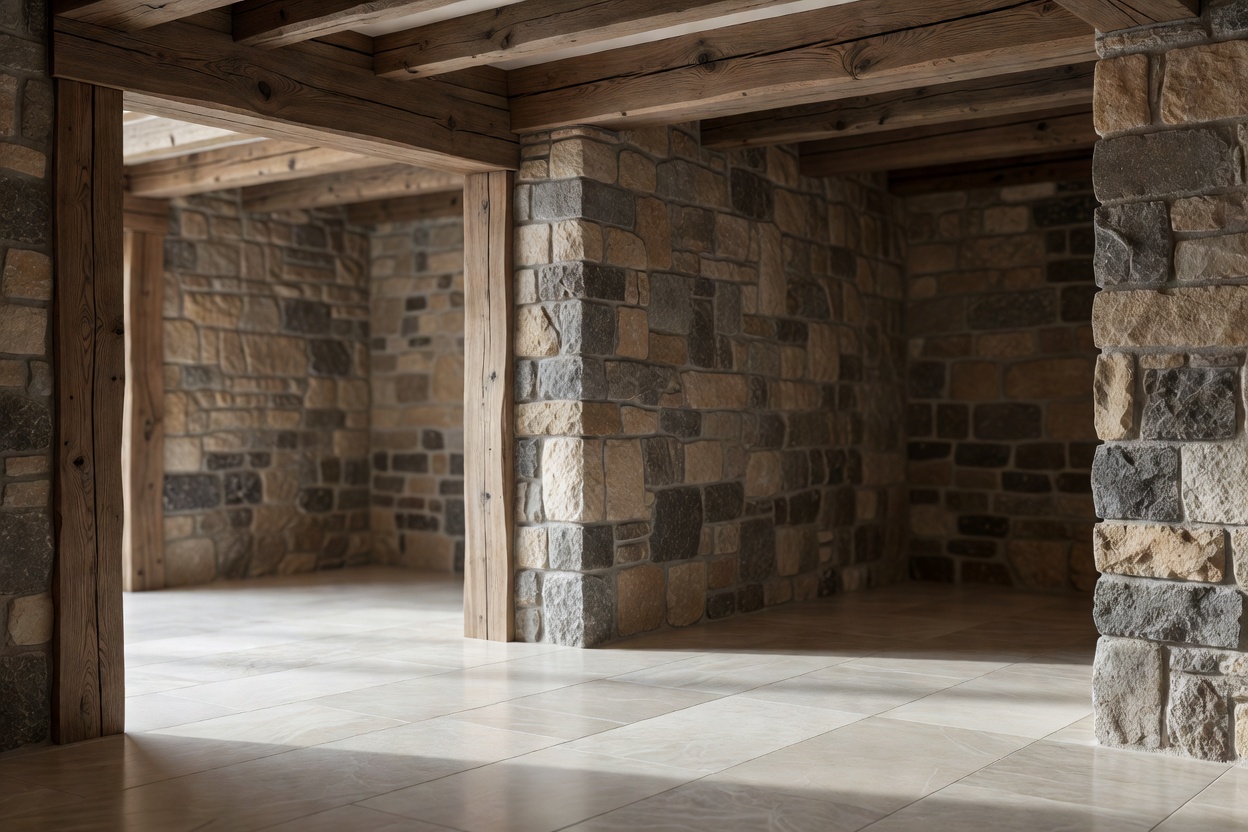
Stone can be durable and locally characteristic, yet quarrying, processing, weight, transport, and installation affect its broader impacts. Stone is not automatically a low-impact choice simply because it lasts a long time. Consider whether existing stone can be retained, whether a thinner or reused element is appropriate, and how the surface can be maintained without harsh treatments.
Clay and mineral finishes can create breathable, textured surfaces in suitable assemblies. Lime-based plaster may suit particular substrates and moisture conditions, but it requires compatible preparation and skilled application. Neither is a universal moisture cure. Building physics, ventilation, substrate condition, and exposure must be addressed together.

Reuse, sourcing, and embodied impacts
Reclaimed doors, flooring, stone, and structural elements can preserve useful material and give a project a sense of continuity. Reuse requires early surveys, careful deconstruction, storage, grading, and a plan for dimensional variation. Fire, structural, hygiene, and accessibility requirements still apply. A recovered material is useful only if it can be safely integrated and maintained.
Embodied carbon is one way to assess greenhouse-gas emissions associated with materials and construction before a building is operated. It is not a single label attached to “natural” products. Assessment depends on product data, boundaries, quantities, transport, construction, service life, replacement, and end-of-life assumptions. Avoid comparing products on incomplete or incompatible information; request transparent, relevant environmental product data where available without treating a declaration as a sustainability certificate.
Local availability can reduce some transport impacts and support familiar repair skills, but distance alone does not determine impact. Processing energy, transport mode, durability, and the likely replacement cycle matter. Responsible sourcing should be supported with documentation appropriate to the project, not a broad marketing claim.
Indoor finishes and daily care
Paints, sealants, adhesives, and composite products can affect indoor air quality. Ask suppliers for emissions information and review ventilation, curing, and installation requirements. Low-emission products are only one part of indoor environmental quality: moisture control, fresh air, cleaning products, and maintenance routines also matter.
Hotel operations place particular demands on finishes. Housekeeping may use frequent cleaning, luggage can damage corners, and wet areas need compatible detailing. A surface that tolerates repair and can be refreshed locally may be more useful than a fragile material that requires broad replacement. Include cleaning instructions and repair access in the handover information.
What to Consider
For each major material, record its intended use, source, processing, transport, lifespan assumptions, repair options, cleaning regime, and replacement route. Check moisture, fire, structural, acoustic, hygiene, and accessibility requirements. Request documentation that is specific to the product and intended application. Consider a mock-up where color variation, touch, or maintenance is uncertain.
Common Trade-Offs
Natural stone can be robust but heavy and energy-intensive to move. Timber can be renewable when responsibly sourced, but may need careful protection in exposed or wet locations. Reclaimed elements avoid some new production but need sorting and adaptation. Low-emission finishes support healthier interiors but do not replace good ventilation or moisture control.
Takeaway
Choose for fit, lifespan, repairability, and verified sourcing evidence—not the comforting sound of a material label. A project’s environmental case depends on the complete assembly and its real maintenance life.