DESIGN GUIDE / WATER
A hotel’s water profile includes guest rooms, kitchens, laundry, cooling equipment, pools, cleaning, and landscape irrigation. The balance changes with occupancy, season, service level, and location. Start by understanding where water is used and what the local catchment can support; then choose measures that are maintainable and safe.
Reduce demand first
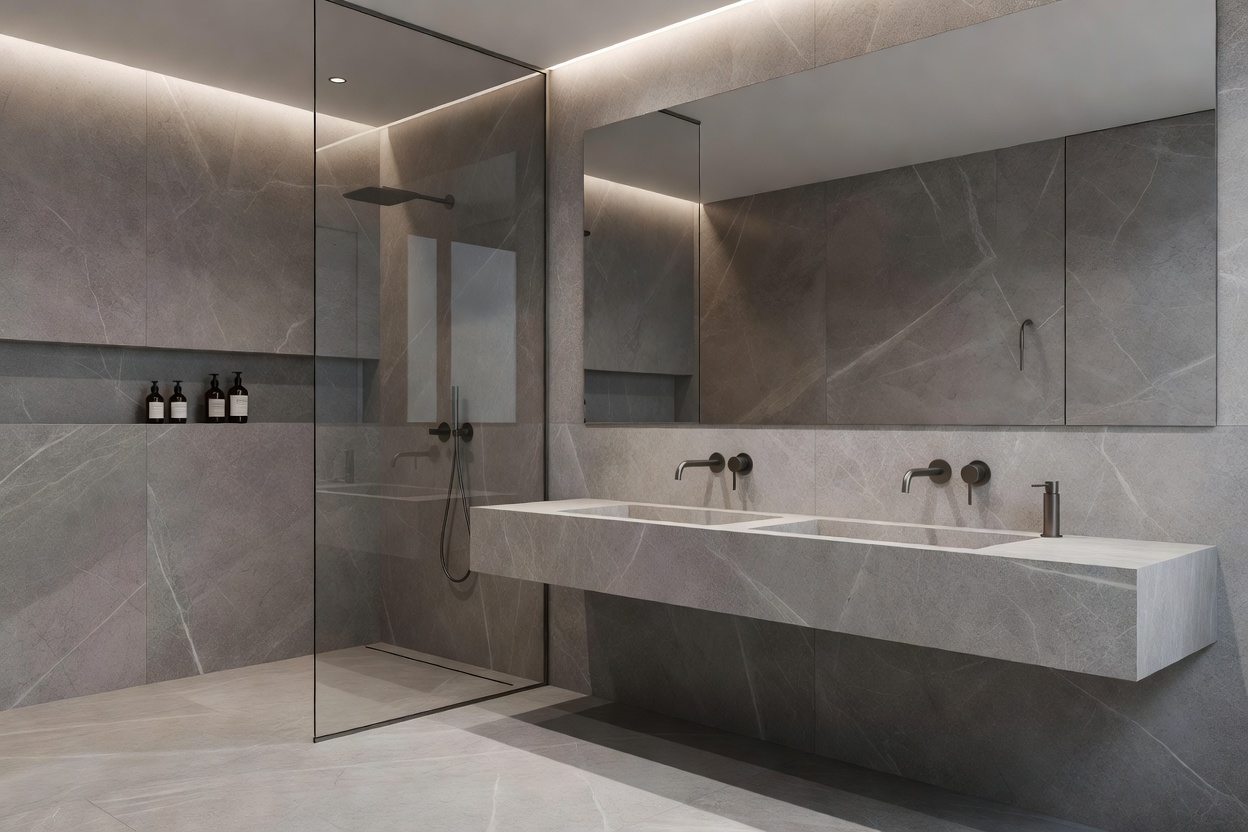
Efficient taps and showers can reduce flow while retaining a comfortable experience. Product selection should consider pressure, spray pattern, accessibility, cleaning, local expectations, and hot-water delivery. Flow restrictors that feel poor to guests may be removed or bypassed, so user experience is part of effective design. Dual-flush or efficient toilet systems can also reduce demand, but require compatible plumbing and straightforward maintenance.
Leak detection begins with good metering and routine inspection. Submeters can help operators notice unusual use in different areas; sensors and automated alerts may support quicker response where staff can act on them. A monitoring system is useful only when thresholds, responsibilities, and escalation procedures are clear. Regular checks remain important, especially in concealed pipework and plant rooms.
Collection is not the same as reuse
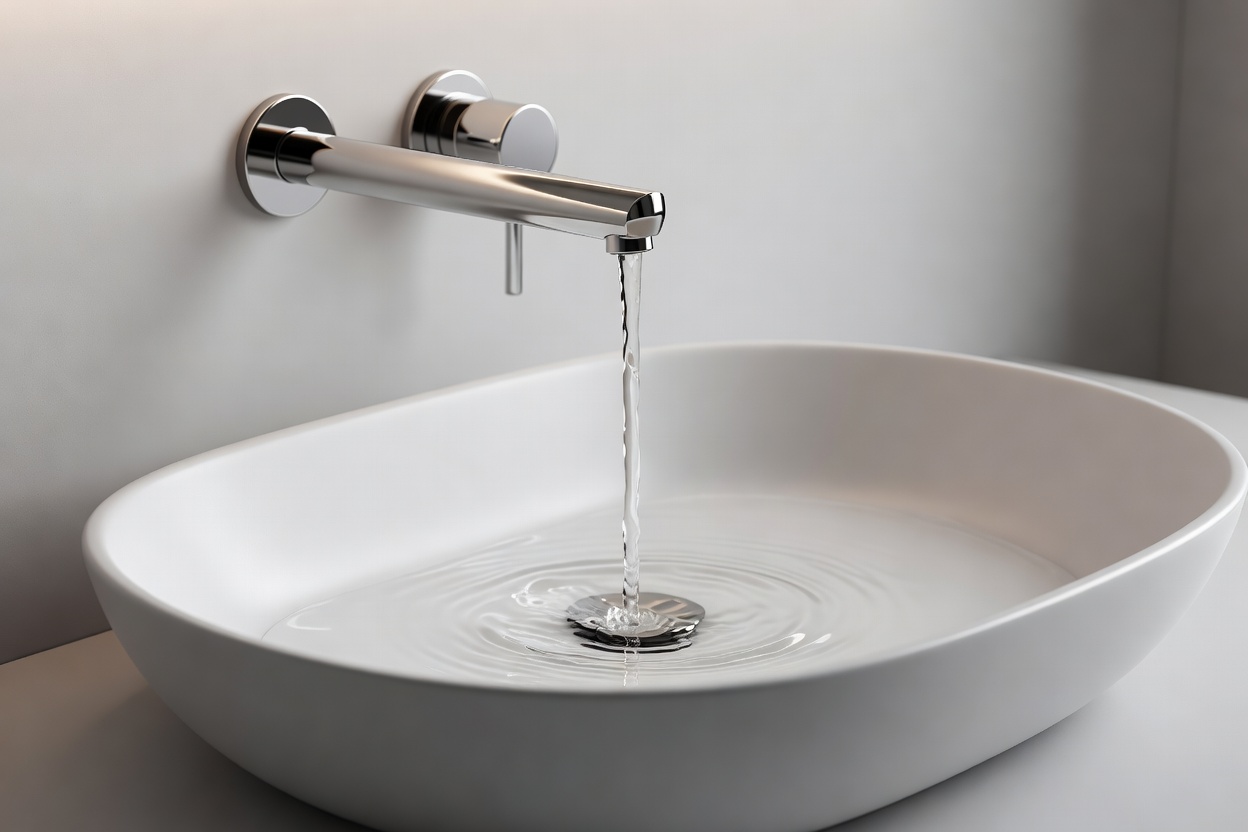
Rainwater collection captures precipitation for suitable uses such as landscape irrigation or, where regulations and system design allow, selected non-potable applications. Capacity depends on roof area, rainfall timing, storage, treatment, and demand. A tank sized without a water balance can be too small during dry periods or oversized for the available catchment. Overflow and safe drainage must always be planned.
Greywater reuse treats selected wastewater streams, commonly from showers or basins, for approved non-potable uses. It is a more complex proposition than collecting rainwater. Plumbing separation, treatment, disinfection if required, storage time, monitoring, labeling, cross-connection prevention, and maintenance all need careful design. Local codes and health requirements vary; a system should not be assumed compliant everywhere.
Water reuse can introduce capital cost and operational duties. If filters or treatment equipment are neglected, water quality and system reliability may suffer. A hotel needs trained staff, clear operating procedures, monitoring records, and access to specialist service. Reuse is appropriate only when the project can sustain those obligations and when a local assessment supports the approach.
Laundry, landscape, and operations
Laundry can be a significant operational demand, but room linen policies, machine selection, load management, and housekeeping routines all play a part. A guest-facing reuse option should be clear and genuinely optional; it should not compromise hygiene or service quality. Kitchen processes and cleaning schedules also deserve review alongside equipment choices.
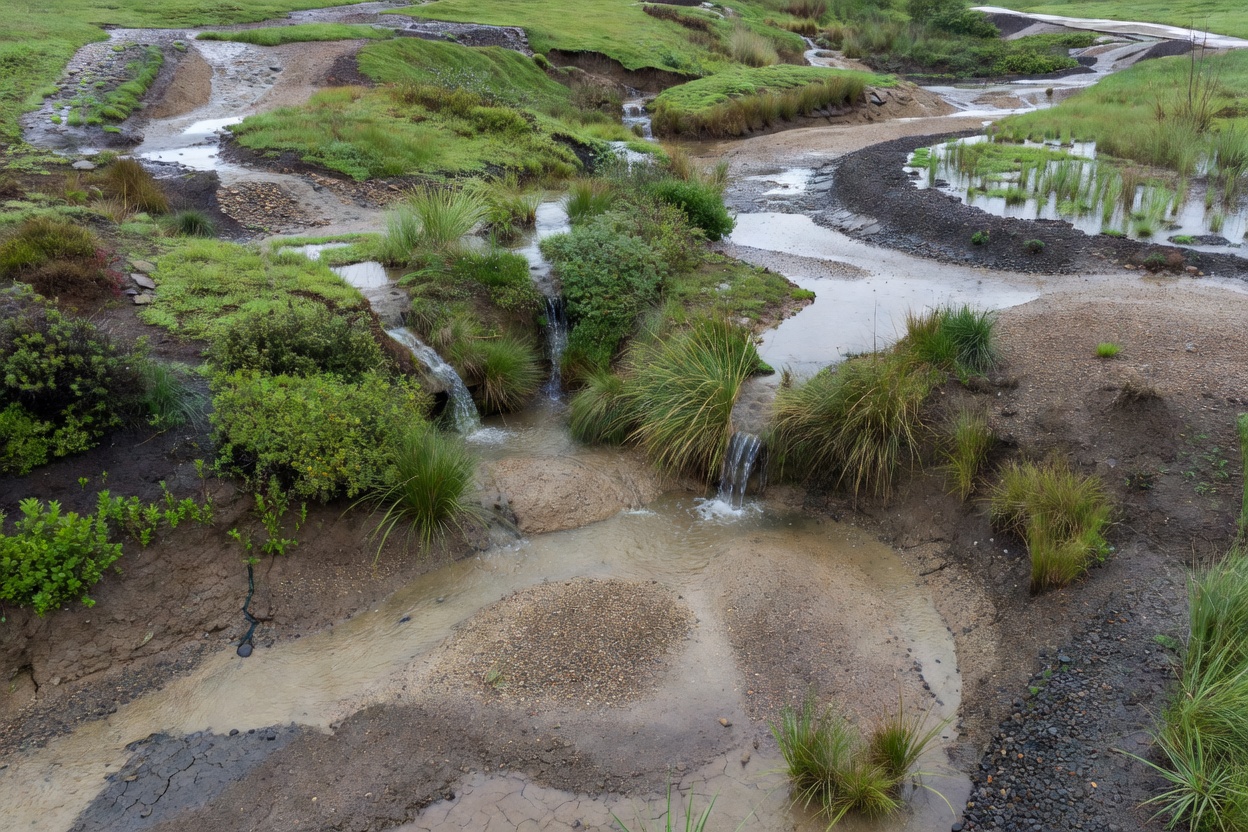
Landscape irrigation should respond to plant selection, soil, exposure, and seasonal conditions. Local or climate-appropriate planting may reduce demand in some contexts, but establishment and extreme weather still require planning. Drip systems, soil-moisture controls, and leak checks can help manage delivery; they do not make irrigation impact-free.
What to Consider
Build a water balance, identify potable and non-potable uses, check local requirements, and specify metering points. Review fixture comfort, hot-water distribution, storage hygiene, backflow protection, treatment, maintenance access, and staff responsibilities. Include commissioning, sampling or monitoring where required, and clear records in the operating plan.
Common Trade-Offs
Lower fixture flow can reduce demand but may affect comfort or require different pressure design. Rainwater storage can buffer use but occupies space and needs maintenance. Greywater reuse may substitute for selected potable uses but adds treatment, plumbing, and monitoring responsibilities. A simpler demand-reduction measure can outperform a complex system that is poorly maintained.
Takeaway
Separate reducing demand from collecting and reusing water. Choose measures that suit the site, comply with applicable rules, protect water quality, and can be managed throughout the hotel’s life. Do not use an estimated saving as a performance claim until it is measured.